To become an HVAC technician, individuals usually need a high school diploma or GED before beginning specialized training. Many aspiring technicians attend trade schools or community colleges that offer HVAC programs. These programs teach important subjects such as heating and cooling systems, electrical wiring, refrigeration, blueprint reading, and safety procedures. Students also learn how to use tools and diagnostic equipment commonly found in the HVAC industry. Most programs can be completed in six months to two years, depending on the level of certification or degree being pursued.
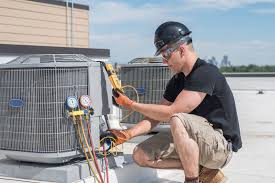
In addition to classroom education, HVAC technicians must complete hands-on training to gain real-world experience. Many students participate in apprenticeships, where they work under experienced technicians while learning practical skills on the job. Apprenticeships often last three to five years and provide training in installing systems, troubleshooting equipment, repairing units, and following safety regulations. This combination of classroom instruction and field experience helps technicians build confidence and develop the technical skills needed to succeed in the industry.
After completing training, many HVAC technicians earn professional certifications to improve their qualifications and job opportunities. One of the most important certifications in the United States is the EPA Section 608 Certification, which is required for technicians who handle refrigerants. Some technicians also pursue additional certifications in areas such as air conditioning, heat pumps, or energy-efficient systems. Because HVAC technology continues to evolve, technicians often participate in ongoing training throu