Outdoor cats are active both day and night, although they tend to be slightly more active at night.[96] Domestic cats spend the majority of their time in the vicinity of their homes, but they can range a radius of many hundreds of meters. They establish territories that vary considerably in size, in one study ranging 7–28 ha (17–69 acres).[97] The timing of cats’ activity is quite flexible and varied; but being low-light predators, they are generally crepuscular, which means they tend to be more active near dawn and dusk. However, house cats’ behavior is also influenced by human activity, and they may adapt to their owners’ sleeping patterns to some extent.[98][99]
Cats conserve energy by sleeping more than most animals, especially as they grow older. The daily duration of sleep varies, usually between 12 and 16 hours, with 13 to 14 being the average. Some cats can sleep as much as 20 hours. The term “cat nap” for a short rest refers to the cat’s tendency to fall asleep (lightly) for a brief period. Short periods of rapid eye movement sleep are often accompanied by muscle twitches, which suggests they are dreaming.[100]
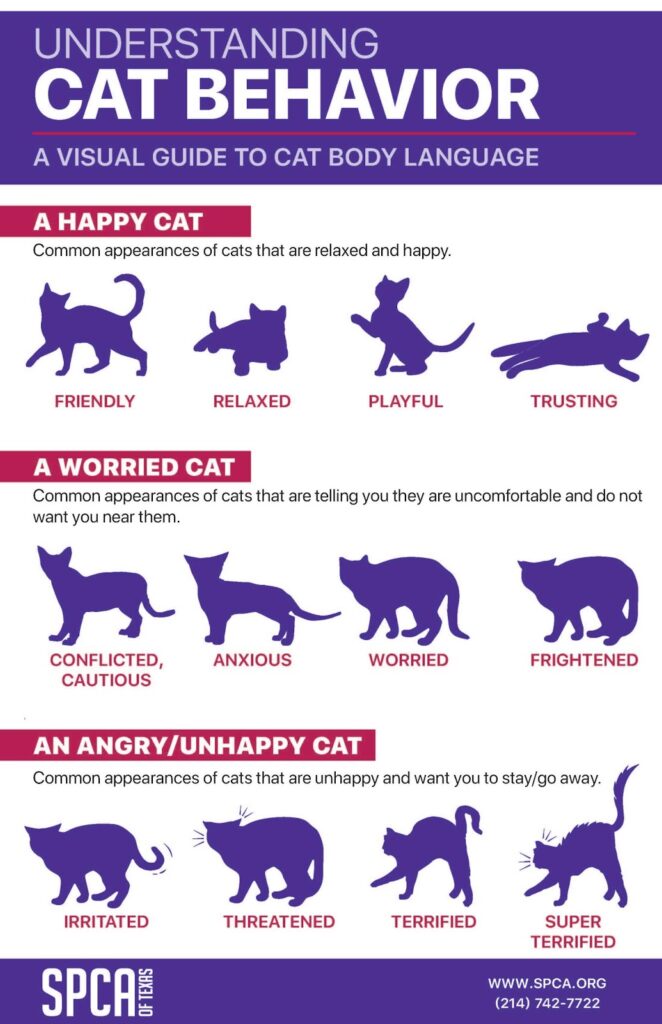
Behavioral and personality traits depend on a complex interplay between genetic and environmental factors. Scientific evidence is mixed about the popular belief that those traits are linked to coat colors.[101][102][103]