
It has been found that cat owners’ knowledge affects how they care for their cats. For example, people with greater knowledge about cats are less likely to use positive punishment (i.e., causing an unpleasant stimulus to the cat).[195]
Accidental poisoning in cats is common and can result from several sources: plants that are toxic to cats, medications not intended for cats, foods unsuitable for cats, and household substances such as pesticides and paint thinners.[196] Plants toxic to cats include lilies, tulips, and philodendrons. Medication poisoning occurs when cats ingest drugs intended for human use but toxic to cats, such as acetaminophen and aspirin, as well as vitamin capsules formulated for humans or certain flea treatments designed for dogs (cats should be kept away from a dog treated with these products for 24 hours). Foods dangerous to cats include grapes, onions, garlic, and chocolate.[196]
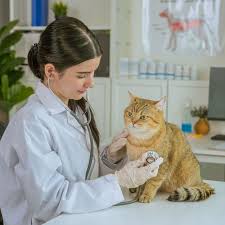
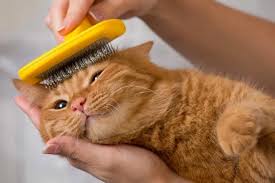
Many professional organizations have published guidelines for the proper and safe care of cats. The American Society for the Prevention of Cruelty to Animals (ASPCA) has published a general guide emphasizing proper cat care.[197] The guide covers appropriate nutrition, fresh and clean water changed daily, routine grooming including brushing the coat, regular and odor-free litter box maintenance, and regular veterinary care, recommending that cats undergo a routine veterinary check-up at least once a year. In addition to the general guide, there are specific guides for proper grooming,[198] common feline diseases,[199] and behavioral issues.[200]
The American Association of Feline Practitioners (AAFP) and the International Society of Feline Medicine (ISFM) released a guide on the environmental needs of cats.[201] The guide focuses on five main aspects: providing a safe private space for the cat (e.g., a cardboard box on its side, placed in a high location, and in sufficient numbers if multiple cats are present); offering multiple environmental resources (several feeding stations, resting areas and litter boxes, and separating food from water); opportunities for play and activities that simulate hunting behavior (using appropriate toys and puzzle feeders); positive, consistent, and predictable social interaction (acclimating the cat to frequent contact from an early age, speaking softly, and avoiding forced contact); and an environment that allows the cat to use its sense of smell normally (providing scratching posts and other items where it can leave its scent, and avoiding strong odors throughout the home).
Various professional organizations have emphasized the importance of environmental enrichment for cats,[201] and some studies have raised concerns that many cat owners do not provide sufficient environmental enrichment. In an online survey of cat owners, only about half of the respondents reported playing with their cats daily.[195]
Between 50% and 90% of cats will experience dental or gum problems, but these can be prevented by maintaining the cat’s oral hygiene using products specifically designed for cats (products not intended for cats can be toxic to them).[202][203]
In addition to guides for cat owners, guidelines have also been published for veterinarians and caregivers to improve the welfare of cats under their care. The AAFP and ISFM have issued recommendations for cat-friendly interactions in veterinary clinics.[204]