To become a physical therapist, individuals must earn the proper licenses and certifications required to practice legally. After completing their education, graduates must pass a national licensing exam to show they have the knowledge and skills needed to work with patients safely. In the United States, physical therapists are required to pass the National Physical Therapy Examination (NPTE). This exam tests subjects such as patient care, anatomy, treatment methods, and rehabilitation techniques.
In addition to passing the national exam, physical therapists must meet the licensing requirements of the state where they want to work. Each state has its own rules and regulations, which may include background checks or additional exams about state laws and ethics. A license is important because it proves that the therapist is qualified and allowed to provide medical care to patients. Without a license, a person cannot legally work as a physical therapist.
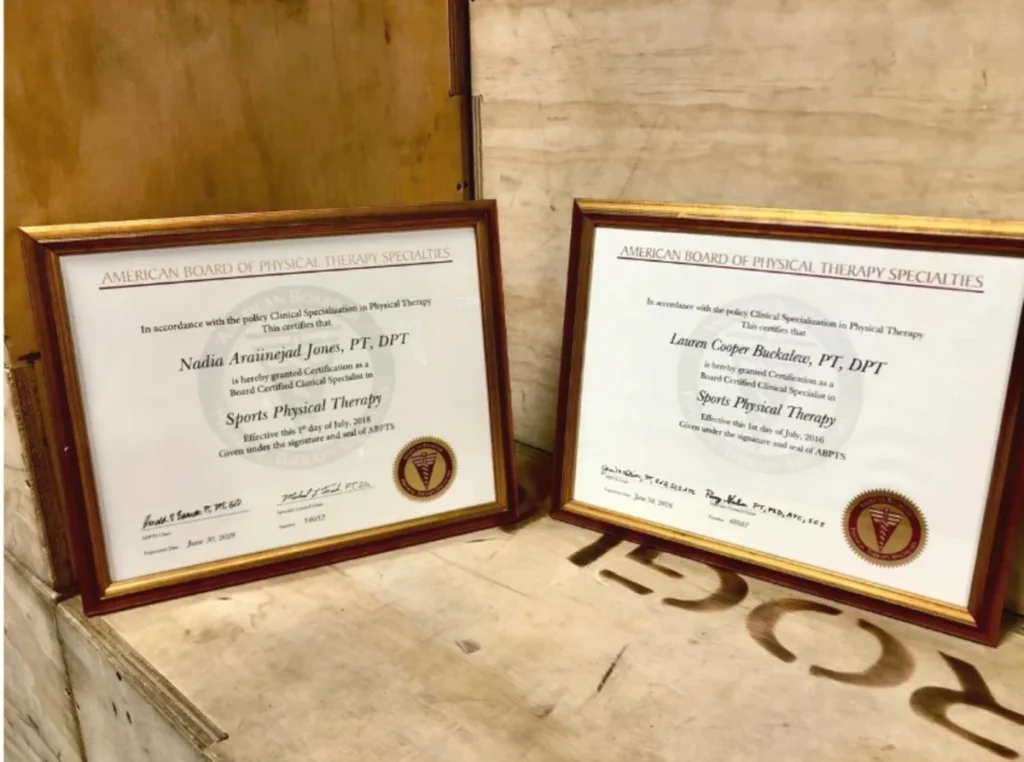
Some physical therapists choose to earn additional certifications in specialized areas of the profession. These certifications allow therapists to focus on areas such as sports therapy, pediatrics, orthopedics, or neurology. Specialized certifications can help therapists improve their skills and provide advanced care to patients with certain conditions or injuries. Earning these certifications often shows dedication to the profession and may create more career opportunities.
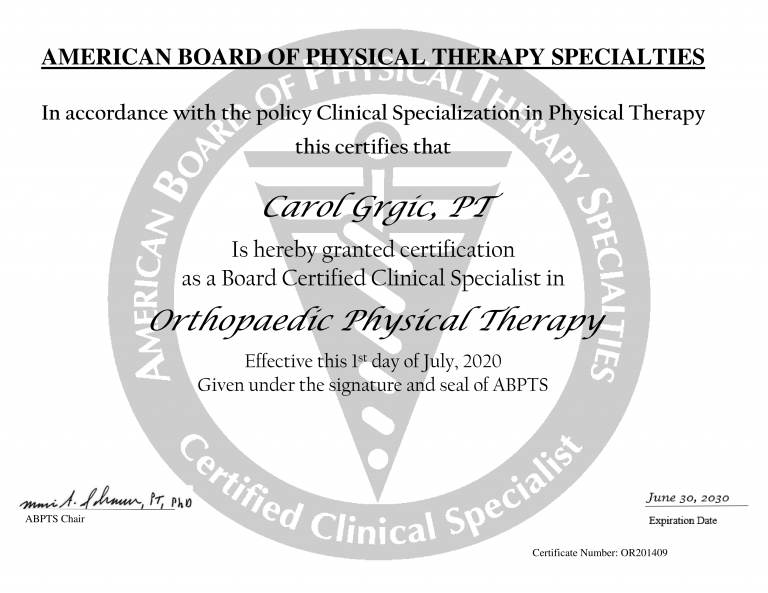
Licenses and certifications are important because they help maintain high standards in healthcare. They ensure that physical therapists have the proper knowledge, skills, and professionalism to care for patients safely and effectively. Physical therapists must also continue learning throughout their careers to keep their licenses active and stay updated on new treatments and medical advancements. Overall, certifications and licenses help physical therapists build trust with patients and succeed in their careers.