
Physical therapy has many specialties that allow therapists to focus on specific patient needs and types of conditions. One of the most common specialties is orthopedic physical therapy, which deals with injuries and disorders of the muscles, bones, joints, and ligaments. Orthopedic therapists often help patients recover from surgeries, fractures, sprains, and chronic pain conditions like arthritis. They use exercises, stretching, and manual therapy techniques to improve movement and reduce discomfort.
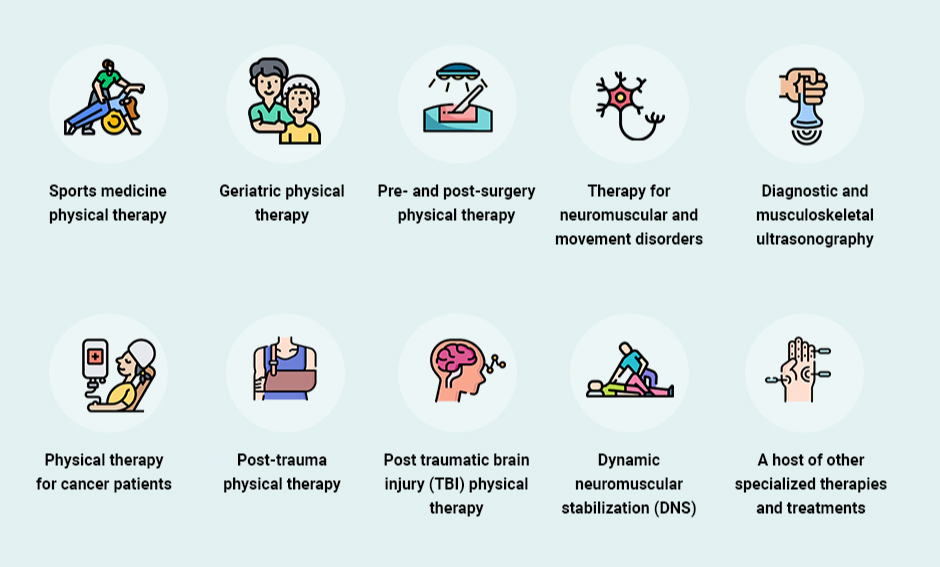
Another important specialty is sports physical therapy, which focuses on athletes and active individuals. Sports therapists work to prevent injuries, treat sports-related conditions, and help athletes return to their sport safely and quickly. For example, they may help a soccer player recover from an ankle sprain or guide a runner through rehabilitation after a knee injury. They also design training programs to improve strength, flexibility, and performance while reducing the risk of future injuries.
Neurological physical therapy is a specialty that focuses on patients with disorders of the brain, spinal cord, and nervous system. This includes conditions such as stroke, Parkinson’s disease, multiple sclerosis, and spinal cord injuries. Neurological therapists help patients improve balance, coordination, muscle control, and independence in daily activities. For example, a patient recovering from a stroke may work on walking again or regaining movement in one side of the body.
Pediatric physical therapy is another specialty that works with infants, children, and teenagers. Pediatric therapists help young patients who have developmental delays, injuries, or conditions such as cerebral palsy or muscular dystrophy. They use play-based exercises and activities to make therapy engaging while improving strength, movement, and coordination. For example, a child might practice walking, balancing, or fine motor skills through fun exercises.
Geriatric physical therapy focuses on older adults and the challenges that come with aging. Geriatric therapists help seniors maintain mobility, improve balance, and prevent falls, which are common concerns in older populations. They may also assist patients recovering from hip replacements or other age-related conditions. The goal is to help older adults stay independent and active for as long as possible.
There are also other specialized areas such as cardiovascular and pulmonary physical therapy, which focuses on patients with heart and lung conditions, and women’s health physical therapy, which addresses issues like pregnancy-related pain or pelvic floor disorders. These specialties show how diverse the field of physical therapy is and how therapists can focus on very specific patient needs. Overall, these specialties allow physical therapists to provide highly personalized care and improve the quality of life for many different groups of people.